What Happens When Technology Meets the Most Human of Experiences
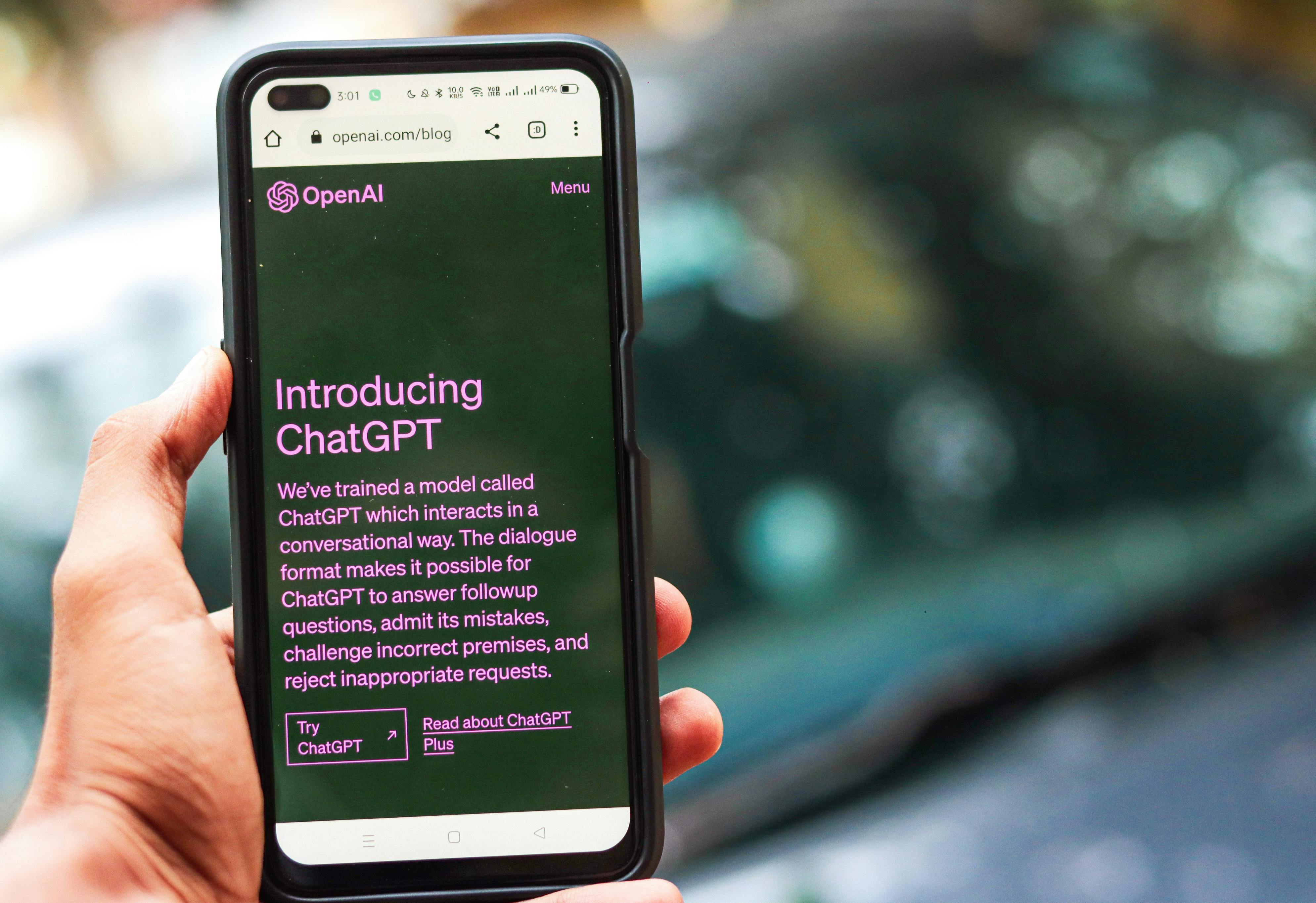
Artificial intelligence has entered the therapy space. ChatGPT offers empathetic responses. Apps promise to track your mood and provide cognitive behavioral therapy exercises. Some companies are developing AI "therapists" available 24/7 at a fraction of the cost of human clinicians.
As therapists, we're paying attention to these developments—not with fear or dismissiveness, but with genuine curiosity about what they mean for mental health care. At McGarril Mental Health Counseling, we believe AI can be a valuable tool for certain aspects of mental health support. But it can't replace the fundamentally human experience of therapy.
Here's why.
What AI Does Well
Let's start with what AI can legitimately offer:
Accessibility AI is available immediately, any time of day. For someone experiencing 3am anxiety who can't reach their therapist, having something to turn to can provide relief.
Skills and Tools AI can teach grounding techniques, explain cognitive distortions, provide psychoeducation about anxiety or depression, and offer coping strategies. These educational components don't require a human relationship.
Affordability For people without insurance or financial resources for therapy, AI provides access to mental health information and basic support that might otherwise be completely unavailable.
Homework Support Between therapy sessions, AI can help clients practice skills, process insights, or work through structured exercises their therapist assigned.
These are real benefits that can complement professional mental health care.
What Gets Lost When You Talk to AI Instead of a Human
The Irreplaceable Nature of Two Nervous Systems Together Something profound happens when two human beings sit together—whether in person or via video. Your nervous system and your therapist's nervous system interact and influence each other. This process, called co-regulation, cannot be replicated by technology.
When you're overwhelmed, a skilled therapist's calm presence helps regulate your own nervous system. Their breathing, tone of voice, and emotional steadiness provide a template your body can follow back to calm. This happens beneath conscious awareness through mirror neurons and nervous system attunement.
AI can tell you to take deep breaths. A human therapist breathes with you, and your body responds.
Emotional Attunement and Nonverbal Communication Therapy happens as much in what's not said as in what is. An experienced therapist notices:
The shift in your energy when certain topics arise
How your body language changes when you're avoiding something
The slight crack in your voice that signals tears are close
When you're intellectualizing to avoid feeling
The moment connection happens after a rupture
These subtle nonverbal cues—especially in person—provide crucial information about your emotional state that words alone don't capture. AI reads text. Therapists read humans.
Shared Human Experience and Self-Disclosure When your therapist shares, "I've experienced grief too," or "I understand what it's like to question your career path," something shifts. You're not alone. Another human who has walked through difficulty understands.
This carefully calibrated self-disclosure—different from friendship but deeply human—creates connection that facilitates healing. AI can simulate empathy, but it hasn't lived through heartbreak, loss, fear, or joy. It's always one degree removed from actual human experience.
The Paradox of Always-Available Support
Here's something that might surprise you: the fact that your therapist isn't available 24/7 is actually therapeutic.
Boundaries Model Healthy Relationships When your therapist maintains clear boundaries—session times, response times to emails, vacation weeks—they're demonstrating what healthy relationships look like. This teaches you:
It's okay to have needs AND respect others' boundaries
Relationships can survive when someone isn't immediately available
You can tolerate distress without constant soothing
Other people have lives outside of their relationship with you
For clients who grew up without healthy boundaries or who struggle with abandonment fears, learning to respect boundaries while still feeling cared for is transformative therapeutic work.
Developing Distress Tolerance AI available at 2am doesn't help you build the capacity to sit with difficult emotions. It provides immediate relief, which feels good in the moment but doesn't develop resilience.
Therapy helps you learn that you can:
Feel anxious and survive until morning
Sit with uncertainty without immediately seeking reassurance
Trust yourself to handle discomfort
Build internal resources rather than relying on external soothing
The Risk of Amplifying Attachment Issues
For people with anxious or disorganized attachment patterns, AI "therapy" could actually worsen underlying issues.
AI Never Rejects You This sounds comforting, but it's problematic. Real relationships include disappointment, conflict, repair, and learning to tolerate someone not always meeting your needs perfectly.
AI that never disagrees, never disappoints, never has its own needs creates a fantasy of relationships that doesn't exist in the real world. This can:
Amplify rejection sensitivity when real humans inevitably disappoint
Prevent you from developing skills to navigate conflict
Create unrealistic expectations for human relationships
Increase isolation from actual people
The Parasocial Problem AI creates a one-way relationship where it knows everything about you, but you know nothing real about it. This mimics parasocial relationships (like feeling close to celebrities who don't know you exist) rather than actual intimacy.
Healthy relationships involve mutual knowing and vulnerability. You share, and the other person shares back. There's reciprocity, even within the professional bounds of therapy.
What Human Therapy Actually Provides
When we work with clients at McGarril Mental Health Counseling, the transformative moments rarely come from information or techniques alone. They come from:
Relational Healing Many mental health struggles stem from painful relational experiences—neglect, criticism, inconsistency, boundary violations. These wounds heal through new relational experiences, not information.
When you express anger and your therapist doesn't shame you. When you share something shameful and your therapist responds with compassion. When you push your therapist away and they stay engaged. These corrective emotional experiences rewire your expectations about relationships.
Being Truly Seen There's profound healing in being fully known—flaws, struggles, shame, and all—and still accepted. This requires a real human being who chooses to show up for you week after week.
AI accepts everything because it has no choice and no genuine reaction. Your therapist's acceptance is meaningful because it's chosen.
Practicing Real Relationship Skills Therapy is where many people first learn to:
Set boundaries and have them respected
Express needs directly
Navigate conflict and repair
Give and receive feedback
Be vulnerable and have that vulnerability honored
You can't practice interpersonal skills with AI any more than you can learn to swim from a book. You need actual relational experience.
AI as Complement, Not Replacement
The most helpful framework is viewing AI as a supplement to human therapy, not a substitute:
Between Sessions Use AI to:
Practice CBT thought records
Access grounding techniques when overwhelmed
Review skills your therapist taught
Journal or process thoughts
For Immediate Accessibility When your therapist isn't available and you need:
Crisis resources and information
Basic coping strategies
Psychoeducation about your diagnosis
Structured self-help exercises
With Therapist Guidance Work with your therapist to identify:
Specific ways AI tools could support your treatment
Which apps or resources align with your goals
How to use AI as homework without replacing human connection
Questions to Ask Yourself
"Am I using AI to avoid human connection?" If you're turning to AI because people feel too unpredictable, too risky, or too disappointing, that's important information about attachment patterns worth exploring in actual therapy.
"What am I really seeking?" If you want skills and information, AI might help. If you need connection, validation, or relational healing, you need a human.
"Is this building or eroding my capacity for real relationships?" Notice whether AI use helps you engage more effectively with people or becomes a substitute for human interaction.
The Future of Therapy in an AI World
We're not dismissing technology—we're being thoughtful about what it can and cannot provide. AI will likely play an increasing role in mental health support, and that's not inherently bad.
But we cannot outsource humanity and relationships. The healing power of therapy lies in the genuinely human elements: two nervous systems co-regulating, shared experience, relational repair, and the choice to show up for another person week after week.
At McGarril Mental Health Counseling, we stay current with technology while remaining grounded in what we know works: authentic human connection within a therapeutic relationship that honors boundaries, respects vulnerability, and facilitates genuine healing.
The Bottom Line
AI can teach you coping skills. A human therapist helps you understand why you need those skills in the first place and creates the relational space for actual healing to occur.
AI provides information. Human therapy provides transformation.
Your mental health deserves both the efficiency of technology and the irreplaceable power of human connection. The question isn't "AI or human therapy?" but rather "How can I use both thoughtfully to support my wellbeing?"
Curious about how human therapy differs from AI support? Contact McGarril Mental Health Counseling to schedule a consultation and experience the difference genuine human connection makes in your healing journey.